
Which Hybrid Solar Power System Is Right for Your Home in Trivandrum?

Which Hybrid Solar Power System Is Right for Your Home in Trivandrum?

Solar energy is becoming an increasingly practical option for homeowners who want to reduce their dependence on conventional electricity. However, selecting the right solar system depends on several factors, including electricity consumption, roof space, budget and backup requirements.

On-grid, off-grid and hybrid solar systems each work differently and are designed for different energy needs. For homeowners who want both electricity savings and backup power, a hybrid solar power system in Trivandrum can be a suitable option.

A hybrid system combines solar panels, battery storage and grid connectivity. This allows homeowners to use solar energy during the day, store excess energy for later use and draw electricity from the grid when required.

But which hybrid solar system is suitable for your home?

This guide explains the important factors homeowners should consider before selecting a hybrid solar power system in Trivandrum.

What Is a Hybrid Solar Power System?

A hybrid solar power system combines three main components:

  • Solar panels
  • Battery storage
  • Electricity grid connection

During the day, solar panels generate electricity from sunlight. This electricity can be used directly to operate household appliances. When solar generation is higher than the home’s immediate electricity requirement, excess energy can be stored in the battery, depending on the system design.

When solar energy is unavailable or insufficient, stored battery power can be used. If additional electricity is required, the system can also draw power from the grid.

One of the key benefits of a hybrid system is its ability to provide backup power during a grid outage when it is designed with suitable battery storage and backup circuits.

Why Consider a Hybrid Solar Power System in Trivandrum?

A hybrid solar system can provide greater flexibility in managing household electricity use. Some of the main benefits include:

Reduced Dependence on Grid Electricity

Solar energy can meet part of your home’s electricity requirements during the day. This can reduce the amount of electricity purchased from the grid.

Battery Backup

Battery storage allows excess solar energy to be stored and used later. With a suitably designed system, stored energy can also provide backup power during a grid outage.

Better Energy Management

A hybrid system allows electricity to be managed between solar generation, battery storage and the grid. This gives homeowners more flexibility in how and when they use available energy.

Support for Essential Appliances During Power Cuts

If backup power is important, a hybrid system can be designed to support essential appliances such as lights, fans, Wi-Fi routers and refrigerators during an outage.

Flexible System Design

Hybrid systems can be designed according to household electricity consumption, available roof space, backup requirements and budget.

What Should You Consider When Selecting a Hybrid Solar System?

The right system depends on your home’s actual electricity requirements rather than simply choosing the highest-capacity system available.

1. Review Your Monthly Electricity Consumption

Start by checking your recent electricity bills to understand how much electricity your household uses.

Consider the appliances you regularly operate, such as:

  • Air conditioners
  • Refrigerators
  • Water pumps
  • Washing machines
  • Televisions
  • Computers
  • Fans
  • Lighting
  • Other high-power appliances

Understanding your electricity consumption can help determine a suitable solar system capacity.

It is also useful to consider whether your electricity usage is mainly during the day or at night. This can influence the amount of battery storage required.

2. Assess Your Available Roof Space

The available rooftop area is another important consideration when planning a solar installation.

Solar panels need sufficient space and should ideally be positioned where they receive good sunlight with minimal shading.

A professional site assessment can help evaluate:

  • Available roof area
  • Shading conditions
  • Roof orientation
  • Roof condition
  • Structural suitability
  • Suitable panel placement

A proper assessment can help ensure that the available roof space is used effectively.

3. Determine Your Backup Power Requirements

Battery capacity is an important part of a hybrid solar system.

Instead of planning backup power for every appliance, identify the essential equipment you want to operate during a power cut.

For example, you may want backup power for:

  • Lights
  • Fans
  • Wi-Fi router
  • Television
  • Refrigerator
  • Computers
  • Essential home equipment

Knowing which appliances need backup and how long they need to operate can help determine an appropriate battery capacity.

4. Select a Suitable Hybrid Inverter

The hybrid inverter is one of the key components of the system. It manages electricity flow between the solar panels, battery, home and grid.

When comparing hybrid inverters, consider:

  • Inverter capacity
  • Solar panel compatibility
  • Battery compatibility
  • Backup requirements
  • Monitoring features
  • Efficiency
  • Warranty
  • Service support

The inverter should be selected as part of the complete system design rather than as a standalone product.

5. Consider Battery Type and Capacity

The battery determines how much solar energy can be stored for later use.

The appropriate battery depends on several factors, including:

  • Required backup duration
  • Household electricity consumption
  • Daily solar generation
  • Battery capacity
  • Battery technology
  • Budget
  • Usage pattern

A professional solar installer can assess your electricity requirements and recommend a battery capacity that suits your expected usage.

Is a Hybrid Solar System Suitable for Every Home?

A hybrid solar system can be useful for many households, but it may not be the ideal choice for everyone.

Homeowners who mainly want to reduce their electricity bills and do not require battery backup may find an on-grid solar system more suitable.

Homes with limited or unreliable grid access may require an off-grid solution.

A hybrid system can be a practical choice for homeowners who want both solar energy savings and battery backup.

The most suitable option depends on factors such as electricity consumption, grid reliability, roof space, budget and backup requirements.

Should You Choose a Hybrid or On-Grid Solar System?

The choice between an on-grid and hybrid system depends mainly on what you want from your solar installation.

An on-grid solar system is connected to the electricity grid and is primarily designed to help reduce electricity purchased from the grid.

A hybrid system also connects to the grid but includes battery storage, allowing excess solar energy to be stored and used later.

An on-grid system may be suitable if:

  • Your main goal is reducing electricity bills
  • You do not require battery backup
  • Your electricity grid connection is reliable

A hybrid system may be suitable if:

  • You want to reduce grid electricity use
  • You want battery storage
  • Backup power is important
  • You want greater flexibility in managing solar energy

Therefore, the more suitable option depends on your household’s energy requirements rather than simply comparing the initial system price.

How Much Does a Hybrid Solar Power System Cost in Trivandrum?

The cost of a hybrid solar power system in Trivandrum can vary depending on the system design and installation requirements.

Factors that can influence the overall cost include:

  • Solar system capacity
  • Number and type of solar panels
  • Hybrid inverter capacity
  • Battery type and capacity
  • Roof conditions
  • Mounting structure
  • Installation requirements
  • Electrical work
  • Additional components
  • Warranty and service requirements

There is no single price that applies to every home because electricity consumption, roof conditions and backup requirements can vary significantly.

An energy assessment and site inspection can help determine a suitable system configuration and provide a more accurate quotation.

Why Does Professional Installation Matter?

A solar system is a long-term investment. Choosing suitable equipment is important, but proper system design and installation are equally important.

A professional solar installer can assist with:

  • Energy assessment
  • Site inspection
  • System sizing
  • Solar panel placement
  • Inverter selection
  • Battery selection
  • Installation
  • System testing
  • Commissioning
  • Maintenance support

Proper installation can help ensure that the different components work together effectively and that the system operates according to its intended design.

Why Choose RV Solar & Smart Solutions for Your Hybrid Solar System?

Choosing the right solar partner is just as important as selecting the right equipment. A professional solar company can assess your electricity consumption, roof space and backup requirements before recommending a suitable system.

RV Solar & Smart Solutions provides solar solutions for homes and businesses in Trivandrum and across Kerala, including on-grid, off-grid and hybrid solar power systems.

For homeowners considering a hybrid solar power system in Trivandrum, RV Solar & Smart Solutions can assist with:

  • Understanding household energy requirements
  • Assessing available rooftop space
  • Recommending suitable system capacity
  • Selecting an appropriate hybrid inverter
  • Evaluating battery storage requirements
  • Planning solar panel installation
  • Testing and commissioning
  • Providing after-sales support

Instead of choosing a system based only on price or capacity, homeowners can discuss their specific energy and backup requirements with a solar professional and select a system designed for their property.

If you are considering a hybrid solar power system in Trivandrum, RV Solar & Smart Solutions can help you explore a suitable solar solution based on your home’s energy requirements.

What Should You Check Before Installing a Hybrid Solar System?

Before investing in a hybrid solar power system in Trivandrum, consider the following:

  • Average monthly electricity consumption
  • Daytime and nighttime electricity usage
  • Available rooftop space
  • Shading conditions
  • Required backup duration
  • Solar panel specifications
  • Hybrid inverter capacity
  • Battery type and capacity
  • Warranty terms
  • Installation quality
  • After-sales support
  • Maintenance requirements
  • Overall system cost

Comparing these factors can help you make a more informed decision and select a system that is appropriate for your home’s requirements.

Frequently Asked Questions

What is a hybrid solar power system?

A hybrid solar power system combines solar panels, battery storage and grid connectivity. It allows electricity to be generated from solar energy, stored in batteries and supplemented with grid power when necessary.

Is a hybrid solar system good for homes in Trivandrum?

A hybrid solar system can be suitable for homes in Trivandrum where homeowners want to reduce their dependence on grid electricity while also having battery backup. Its suitability depends on electricity consumption, roof space, budget and backup requirements.

Can a hybrid solar system work during a power cut?

Yes. A properly designed hybrid solar system with suitable battery storage can provide backup power during a grid outage. The available backup depends on the battery capacity and the appliances connected to the backup supply.

What size hybrid solar system does a home need?

The required capacity depends on the home’s electricity consumption, available roof space, daytime energy usage and backup requirements. A professional assessment can help determine a suitable system size.

Is a hybrid solar system better than an on-grid system?

Not necessarily. An on-grid system can be suitable for homeowners mainly focused on reducing electricity bills, while a hybrid system can be more suitable for those who also want battery storage and backup power.

How long does a hybrid solar system last?

The lifespan depends on the individual components, installation quality, operating conditions and maintenance. Solar panels, inverters and batteries can have different expected service lives and warranty periods.

How do I select the best hybrid solar power system in Trivandrum?

Compare the system capacity, solar panels, hybrid inverter, battery, installation requirements, warranty and after-sales support. Most importantly, choose a system designed around your actual electricity consumption, roof conditions and backup requirements.

Why should I choose RV Solar & Smart Solutions for a hybrid solar system?

RV Solar & Smart Solutions provides solar solutions for homes and businesses in Trivandrum and across Kerala. Homeowners can discuss their electricity consumption, backup requirements and property conditions with the team to explore a suitable hybrid solar system.

Conclusion

Choosing the right hybrid solar system for your home involves more than comparing prices or system capacity. Electricity consumption, roof space, battery requirements, inverter specifications, backup needs and installation quality should all be considered before making a decision.

A properly designed hybrid system can help homeowners make better use of solar energy while providing battery backup when required.

If you are considering a hybrid solar power system in Trivandrum, start by assessing your home’s electricity consumption, roof space and backup requirements. Working with an experienced solar provider such as RV Solar & Smart Solutions can help you identify a system that suits your property, energy needs and budget.
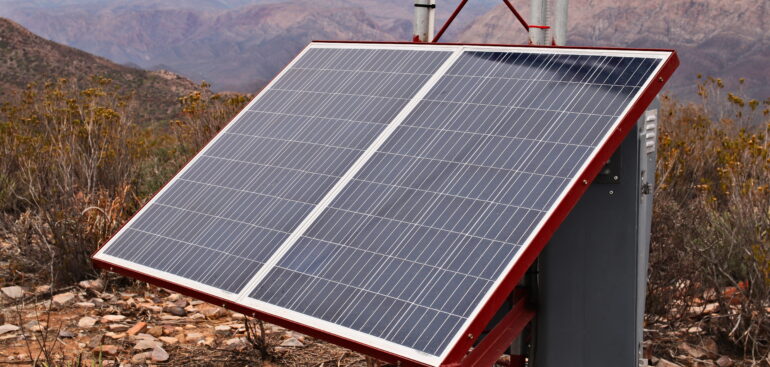

How Do You Choose the Right Off-Grid Solar System for Your Home in Trivandrum?

How Do You Choose the Right Off-Grid Solar System for Your Home in Trivandrum?

Choosing a solar power system for your home is an important decision, especially when you want reliable electricity without depending entirely on the conventional power grid. An off-grid solar system can provide an independent power solution by combining solar panels, batteries and other components to generate and store electricity. However, choosing the best off-grid solar system in Trivandrum requires more than simply selecting a system based on its capacity or price.

Your household electricity consumption, available installation space, battery requirements and backup needs should all be considered before making a decision.

What Is an Off-Grid Solar System?

An off-grid solar system is a standalone solar power system that can generate and store electricity without depending on the main electricity grid.

A typical system includes:

  • Solar panels
  • Solar inverter
  • Solar batteries
  • Charge controller
  • Mounting structures
  • Necessary cables and protection equipment

During the day, solar panels generate electricity from sunlight. The energy can be used to power household appliances, while excess electricity can be stored in batteries for use when solar generation is unavailable.

This makes an off-grid solar power system particularly useful for homes that require greater energy independence or reliable backup power.

Why Consider an Off-Grid Solar System for Your Home in Trivandrum?

Homes in Trivandrum may experience power interruptions and varying electricity consumption depending on household requirements. An off-grid system can provide an alternative source of electricity by generating and storing solar power.

Some potential advantages include:

  • Greater energy independence
  • Battery-based power backup
  • Reduced dependence on the electricity grid
  • Utilisation of renewable energy
  • Suitable for locations where grid connectivity is limited
  • Ability to store solar energy for later use

The suitability of an off-grid system depends on the household’s electricity requirements and the type of appliances that need to be powered.

How Do You Choose the Right Off-Grid Solar System?

1. Calculate Your Home’s Electricity Requirements

The first step is to understand how much electricity your household consumes.

Make a list of the appliances you want the solar system to operate. This may include:

  • Lights
  • Fans
  • Television
  • Refrigerator
  • Washing machine
  • Water pump
  • Computers
  • Kitchen appliances
  • Air conditioner

The number of appliances, their power ratings and how long they are used each day will affect the required solar system capacity.

A proper load assessment helps determine whether you need a smaller residential solar system or a higher-capacity solution.

2. Determine the Required Solar Capacity

Once you understand your electricity consumption, the next step is to determine the required solar capacity.

A system that is too small may not provide enough electricity for your household. On the other hand, choosing a much larger system than necessary can increase the initial investment.

Solar system sizing should therefore be based on factors such as:

  • Daily electricity consumption
  • Peak power requirements
  • Number of appliances
  • Available sunlight
  • Required backup duration
  • Future electricity requirements

A professional solar provider can assess your requirements and recommend a suitable system size.

3. Choose the Right Battery Capacity

Battery storage is one of the most important components of an off-grid solar system.

Since an off-grid system does not rely on the electricity grid as its primary source, stored energy may be needed when there is insufficient sunlight.

The required battery capacity depends on:

  • Daily electricity usage
  • Appliances that need backup
  • Required backup hours
  • Solar generation
  • Battery technology
  • Expected usage pattern

Choosing the right battery capacity can help ensure that essential appliances receive adequate backup power.

4. Select a Suitable Off-Grid Solar Inverter

The inverter converts the electricity generated by solar panels into usable power for household appliances.

When selecting an off-grid solar inverter, consider its:

  • Power capacity
  • Compatibility with the solar panels
  • Battery compatibility
  • Efficiency
  • Protection features
  • Ability to handle household loads

The inverter should be appropriately sized for your home’s electricity requirements.

5. Consider Your Available Roof or Installation Space

The available installation area can also influence your solar system design.

Before installing solar panels, consider:

  • Available roof space
  • Roof orientation
  • Shading
  • Structural suitability
  • Panel arrangement
  • Maintenance access

A professional site assessment can help determine whether your property has adequate space for the required solar panels.

6. Consider Trivandrum’s Weather Conditions

Solar systems depend on sunlight to generate electricity. Trivandrum experiences different weather conditions throughout the year, including periods of heavy rainfall and cloudy weather.

When choosing an off-grid solar system in Trivandrum, it is important to consider how seasonal variations may affect solar generation and battery usage.

A properly designed system should account for expected electricity consumption, solar generation and the need for stored energy during periods of lower solar output.

7. Think About Your Backup Requirements

Not every household needs the same level of backup.

Some families may want to keep only essential appliances running during periods of low solar generation, while others may want backup for a larger portion of their household load.

Before selecting a system, decide which appliances are essential during backup periods.

For example, your priority loads may include:

  • Lights
  • Fans
  • Refrigerator
  • Internet router
  • Security systems
  • Essential medical or household equipment

This can help determine the appropriate battery and inverter capacity.

8. Look at System Quality Rather Than Price Alone

When searching for the best off-grid solar system for home, price should not be the only consideration.

A reliable system should use suitable components that work together efficiently. The quality of the solar panels, inverter, battery and installation can affect the overall performance of the system.

Instead of choosing the cheapest option, compare:

  • Component quality
  • System capacity
  • Battery specifications
  • Inverter features
  • Installation quality
  • Warranty terms
  • After-sales support
  • Maintenance requirements

This can help you make a more informed investment decision.

9. Choose an Experienced Solar Installer

Professional installation is an important part of getting the most from an off-grid solar power system.

An experienced installer can help with:

  • Site assessment
  • Load calculation
  • System sizing
  • Component selection
  • Solar panel installation
  • Battery installation
  • Inverter setup
  • System testing
  • Maintenance guidance

For homeowners searching for the best off-grid solar system company in Trivandrum, it is useful to evaluate the company’s experience, technical expertise and after-sales support before making a decision.

10. Consider Future Electricity Requirements

Your electricity consumption may increase over time.

For example, you may later add:

  • An additional refrigerator
  • Air conditioner
  • Electric vehicle charger
  • Water pump
  • Home office equipment
  • Additional appliances

If your system is designed only around your current consumption, future additions may require modifications.

Discuss your potential future electricity needs with your solar provider before finalising the system.

What Makes the Best Off-Grid Solar System for a Home?

There is no single off-grid solar system that is ideal for every household.

The best off-grid solar system in Trivandrum should be selected according to the home’s individual requirements.

Important factors include:

Appropriate system capacity: The system should match your electricity consumption.

Adequate battery storage: Battery capacity should support your required backup needs.

Suitable inverter: The inverter should handle your household loads effectively.

Quality components: Solar panels, batteries and other components should be suitable for the intended application.

Professional installation: Proper installation can contribute to reliable system performance.

After-sales support: Maintenance and technical support can be valuable throughout the system’s operating life.

Off-Grid vs On-Grid Solar: Which Is Better for Your Home?

The right system depends on your electricity requirements and goals.

An on-grid solar system works alongside the electricity grid, while an off-grid solar system is designed to operate independently with battery storage.

An off-grid system may be more appropriate when energy independence and battery backup are important priorities.

An on-grid system may be more suitable for homeowners who want to generate solar electricity while remaining connected to the conventional electricity grid.

Understanding these differences can help you choose a system that matches your requirements.

Why Choose RV Solutions for an Off-Grid Solar System in Trivandrum?

RV Solutions, formerly Rudra Veena Solutions, provides solar and smart solutions for residential and other applications in Trivandrum and Kerala.

For homeowners considering an off-grid solar power system, professional guidance can help determine the appropriate combination of solar panels, batteries, inverter capacity and other system components.

RV Solutions can assist customers in understanding their solar requirements and exploring suitable off-grid solutions based on their property’s energy needs.

Frequently Asked Questions

What is the best off-grid solar system for a home in Trivandrum?

The best system depends on your home’s electricity consumption, required backup, available installation space, battery requirements and budget. A professional assessment can help determine the appropriate system capacity.

How do I calculate the size of an off-grid solar system for my home?

Start by calculating your daily electricity consumption and identifying the appliances you need to operate. Solar capacity and battery storage can then be selected based on your energy requirements and backup needs.

Do off-grid solar systems need batteries?

Yes. Battery storage is generally an essential part of an off-grid solar system because stored electricity may be required when solar panels are not generating sufficient power.

Can an off-grid solar system run home appliances?

Yes, an appropriately sized system can power household appliances. The actual appliances that can be operated depend on the solar capacity, inverter capacity and available battery storage.

Is an off-grid solar system suitable for homes in Trivandrum?

It can be suitable for homes that want greater energy independence or require battery-based backup. A site and energy assessment can help determine whether an off-grid system is appropriate for your property.

What should I check before choosing an off-grid solar system company in Trivandrum?

Consider the company’s experience, system design approach, component quality, installation expertise, warranty terms and after-sales support.

How long can an off-grid solar system provide backup?

Backup duration depends mainly on battery capacity and the amount of electricity being consumed. Using only essential appliances can extend the available backup time.

Conclusion

Choosing the right off-grid solar system for your home requires careful consideration of electricity consumption, solar capacity, battery storage, inverter requirements, installation space and backup needs.

Rather than choosing a system based only on price or capacity, homeowners should evaluate the complete solution and select components that work together effectively.

If you are looking for the best off-grid solar system in Trivandrum, a professional assessment can help you identify a system that fits your home’s energy requirements and future needs. With the right planning, an off-grid solar power system can provide a practical way to generate and store renewable energy for residential use.

Solar Panel Installation in Trivandrum: What You Should Know About Government Subsidies

Solar Panel Installation in Trivandrum: What You Should Know About Government Subsidies

Choosing solar energy for your home can help reduce dependence on grid electricity and support long-term energy savings. For homeowners considering Solar Panel Installation in Trivandrum, understanding the government support available for rooftop solar is an important part of planning the investment.

The PM Surya Ghar: Muft Bijli Yojana is a major government initiative supporting residential rooftop solar adoption. The scheme provides financial assistance to eligible residential consumers installing qualifying grid-connected rooftop solar systems. The government has publicised assistance of up to ₹78,000 under the scheme.

What Is PM Surya Ghar: Muft Bijli Yojana?

PM Surya Ghar: Muft Bijli Yojana is a Government of India initiative aimed at encouraging households to install rooftop solar systems.

The scheme is focused on residential electricity consumers and supports eligible grid-connected rooftop solar installations. Its broader objective is to help households generate electricity from solar power and reduce their dependence on conventional electricity.

For homeowners exploring solar panels in Trivandrum, understanding this scheme can help when estimating the overall cost and benefits of a rooftop solar installation.

How Much Government Subsidy Is Available?

Eligible residential consumers can receive up to ₹78,000 in central subsidy under the PM Surya Ghar scheme, subject to the applicable eligibility and installation requirements.

The actual benefit depends on factors such as the eligible solar installation and the applicable government guidelines. Therefore, homeowners should not assume that every solar installation automatically qualifies for the maximum amount.

For this reason, it is important to check the current scheme requirements before finalising a rooftop solar system.

Who Can Benefit From the Solar Subsidy?

The Central Financial Assistance under the rooftop solar programme is intended for eligible residential electricity consumers.

Homeowners should check whether their electricity connection and proposed rooftop solar installation meet the applicable requirements.

Some of the important factors include:

  • Residential electricity connection
  • Eligible rooftop solar installation
  • Applicable technical requirements
  • Required documentation
  • Installation through the prescribed process
  • Verification by the concerned electricity distribution company

The eligibility and application requirements should always be checked before starting the installation process.

Is the Subsidy Available for Commercial Properties?

The PM Surya Ghar central subsidy is intended for eligible residential consumers.

Therefore, commercial buildings, offices, shops and industrial properties should not assume that the residential subsidy automatically applies to them.

Businesses considering solar should check the schemes, incentives and financing options applicable to their specific category.

How Is the Solar Subsidy Received?

The subsidy is processed through the designated government mechanism after the required installation and verification procedures are completed.

According to MNRE, under the national portal mechanism, the applicable CFA is transferred directly to the consumer’s account after successful installation and verification by the State DISCOM.

This means the subsidy should not simply be treated as an instant discount offered by a solar installation company.

What Is DBT?

DBT stands for Direct Benefit Transfer.

Under the applicable process, the eligible subsidy is transferred directly to the beneficiary’s bank account after the required conditions, installation and verification procedures are completed.

Therefore, homeowners should ensure that their application and bank details are accurate and that all required procedures are completed.

What Is the Process for Applying for the Subsidy?

The general process involves several stages.

1. Check Eligibility

First, check whether your residential electricity connection and proposed solar installation meet the current scheme requirements.

2. Apply Through the Designated Portal

Eligible consumers can apply for rooftop solar through the official PM Surya Ghar mechanism. MNRE provides a national portal route for residential rooftop solar applications.

3. Select an Eligible Installation

The solar system and installation need to comply with the applicable scheme and technical requirements.

4. Complete the Installation

The rooftop solar system is installed according to the required standards.

5. Complete Verification

The concerned State DISCOM carries out the applicable verification and related procedures.

6. Complete Metering Requirements

Where applicable, the required metering and grid-connection procedures are completed.

7. Receive the Eligible Subsidy

Once the required process is successfully completed, the eligible subsidy is processed through the designated mechanism.

What Is the Role of KSEB?

For homeowners in Trivandrum and other parts of Kerala, the electricity distribution process involves KSEB.

Grid-connected rooftop solar installations require the applicable electricity-distribution procedures to be completed. This can include application, inspection, metering and related approvals depending on the installation.

Therefore, homeowners should consider both the solar installation and the electricity-connection process when planning a rooftop solar project.

Does the Subsidy Apply to On-Grid Solar Systems?

The PM Surya Ghar rooftop solar subsidy is associated with eligible grid-connected rooftop solar systems.

An on-grid system works alongside the electricity grid. Solar panels generate electricity that can be used by the property, while the applicable grid and metering arrangements determine how surplus electricity is handled.

This makes an on-grid solar system an important option for homeowners considering rooftop solar.

How Should You Choose Solar Panels?

The subsidy should not be the only factor considered when selecting a solar system.

Before purchasing solar panels in Trivandrum, homeowners should consider:

  • Electricity consumption
  • Available rooftop space
  • Sunlight and shading
  • Solar panel specifications
  • Inverter specifications
  • Installation quality
  • Warranty
  • Maintenance requirements
  • Grid connection requirements
  • Long-term electricity needs

Choosing the right system based on actual electricity consumption can help ensure better long-term value.

What Should You Look for in Solar Installers in Trivandrum?

When comparing solar installers in Trivandrum, consider the complete installation process rather than focusing only on the quoted price.

Important factors include:

  • Installation experience
  • Product quality
  • Technical expertise
  • Warranty support
  • Documentation assistance
  • Knowledge of subsidy procedures
  • DISCOM coordination
  • After-sales service

A reliable solar service provider in Trivandrum should be able to explain the installation, subsidy process and applicable approvals clearly.

Why Is Professional Solar Installation Important?

Solar panels are a long-term investment. The quality of the installation can affect the system’s performance, safety and durability.

Professional installation should consider:

  • Proper panel positioning
  • Mounting structure
  • Electrical wiring
  • Earthing
  • Inverter installation
  • Roof conditions
  • Safety requirements
  • Grid connection requirements

This is why homeowners should compare experienced solar installation providers before making a decision.

Frequently Asked Questions

How much solar subsidy can I get under PM Surya Ghar?

Eligible residential consumers can receive up to ₹78,000 in central subsidy, subject to the applicable scheme requirements.

Who is eligible for the PM Surya Ghar subsidy?

The central financial assistance is intended for eligible residential electricity consumers installing qualifying grid-connected rooftop solar systems.

Is the subsidy available for commercial solar installations?

The PM Surya Ghar central subsidy is intended for eligible residential consumers. Commercial consumers should check the incentives and policies applicable to their category.

How is the solar subsidy paid?

Under the applicable process, the eligible CFA can be transferred directly to the consumer’s account after successful installation and verification by the concerned State DISCOM.

What does DBT mean in solar subsidy?

DBT means Direct Benefit Transfer. It refers to transferring the eligible government benefit directly to the beneficiary through the designated system.

Do I automatically receive ₹78,000 after installing solar panels?

No. The maximum amount is subject to eligibility and the applicable scheme requirements. Installation, documentation and verification procedures must also be completed.

Is the subsidy available for every solar system?

No. The system, consumer category and installation must meet the applicable requirements of the government scheme.

Is an on-grid solar system suitable for a home?

An on-grid solar system can be suitable for homes that have an appropriate grid connection and want to generate solar electricity while remaining connected to the grid. The right system depends on electricity consumption and property conditions.

How do I choose the best solar company in Trivandrum?

Look at installation experience, product quality, technical support, warranty, subsidy-process knowledge, DISCOM coordination and after-sales service rather than choosing only on the basis of price.

Conclusion

Government support can make rooftop solar more accessible to eligible households. For homeowners planning Solar Panel Installation in Trivandrum, understanding the PM Surya Ghar scheme, subsidy eligibility and DBT process can help them make better-informed decisions.

Eligible residential consumers can receive up to ₹78,000 in central subsidy, subject to the applicable government requirements. The subsidy process involves the required application, installation and verification procedures before the eligible amount is transferred through the designated mechanism.

The subsidy should be considered as one part of the overall solar investment. Homeowners should also evaluate their electricity consumption, rooftop space, system type, equipment quality, installation standards and long-term requirements before choosing a solar solution.

Important: Government subsidy amounts, eligibility criteria and application procedures may change. Always verify the current requirements through the official PM Surya Ghar/MNRE channels before applying.