
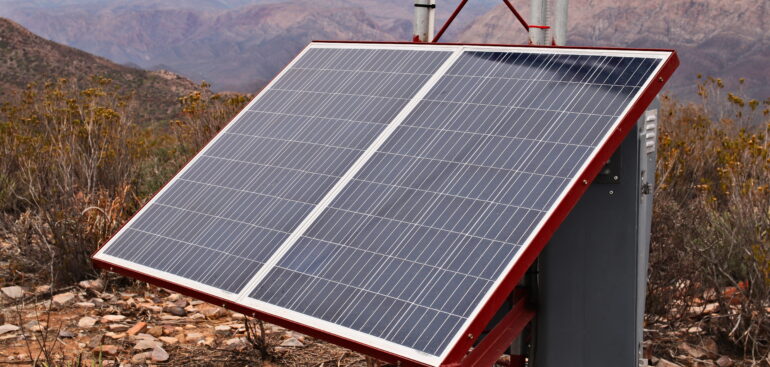
Choosing a solar power system for your home is an important decision, especially when you want reliable electricity without depending entirely on the conventional power grid. An off-grid solar system can provide an independent power solution by combining solar panels, batteries and other components to generate and store electricity. However, choosing the best off-grid solar system in Trivandrum requires more than simply selecting a system based on its capacity or price.
Your household electricity consumption, available installation space, battery requirements and backup needs should all be considered before making a decision.
What Is an Off-Grid Solar System?
An off-grid solar system is a standalone solar power system that can generate and store electricity without depending on the main electricity grid.
A typical system includes:
- Solar panels
- Solar inverter
- Solar batteries
- Charge controller
- Mounting structures
- Necessary cables and protection equipment
During the day, solar panels generate electricity from sunlight. The energy can be used to power household appliances, while excess electricity can be stored in batteries for use when solar generation is unavailable.
This makes an off-grid solar power system particularly useful for homes that require greater energy independence or reliable backup power.
Why Consider an Off-Grid Solar System for Your Home in Trivandrum?
Homes in Trivandrum may experience power interruptions and varying electricity consumption depending on household requirements. An off-grid system can provide an alternative source of electricity by generating and storing solar power.
Some potential advantages include:
- Greater energy independence
- Battery-based power backup
- Reduced dependence on the electricity grid
- Utilisation of renewable energy
- Suitable for locations where grid connectivity is limited
- Ability to store solar energy for later use
The suitability of an off-grid system depends on the household’s electricity requirements and the type of appliances that need to be powered.
How Do You Choose the Right Off-Grid Solar System?
1. Calculate Your Home’s Electricity Requirements
The first step is to understand how much electricity your household consumes.
Make a list of the appliances you want the solar system to operate. This may include:
- Lights
- Fans
- Television
- Refrigerator
- Washing machine
- Water pump
- Computers
- Kitchen appliances
- Air conditioner
The number of appliances, their power ratings and how long they are used each day will affect the required solar system capacity.
A proper load assessment helps determine whether you need a smaller residential solar system or a higher-capacity solution.
2. Determine the Required Solar Capacity
Once you understand your electricity consumption, the next step is to determine the required solar capacity.
A system that is too small may not provide enough electricity for your household. On the other hand, choosing a much larger system than necessary can increase the initial investment.
Solar system sizing should therefore be based on factors such as:
- Daily electricity consumption
- Peak power requirements
- Number of appliances
- Available sunlight
- Required backup duration
- Future electricity requirements
A professional solar provider can assess your requirements and recommend a suitable system size.
3. Choose the Right Battery Capacity
Battery storage is one of the most important components of an off-grid solar system.
Since an off-grid system does not rely on the electricity grid as its primary source, stored energy may be needed when there is insufficient sunlight.
The required battery capacity depends on:
- Daily electricity usage
- Appliances that need backup
- Required backup hours
- Solar generation
- Battery technology
- Expected usage pattern
Choosing the right battery capacity can help ensure that essential appliances receive adequate backup power.
4. Select a Suitable Off-Grid Solar Inverter
The inverter converts the electricity generated by solar panels into usable power for household appliances.
When selecting an off-grid solar inverter, consider its:
- Power capacity
- Compatibility with the solar panels
- Battery compatibility
- Efficiency
- Protection features
- Ability to handle household loads
The inverter should be appropriately sized for your home’s electricity requirements.
5. Consider Your Available Roof or Installation Space
The available installation area can also influence your solar system design.
Before installing solar panels, consider:
- Available roof space
- Roof orientation
- Shading
- Structural suitability
- Panel arrangement
- Maintenance access
A professional site assessment can help determine whether your property has adequate space for the required solar panels.
6. Consider Trivandrum’s Weather Conditions
Solar systems depend on sunlight to generate electricity. Trivandrum experiences different weather conditions throughout the year, including periods of heavy rainfall and cloudy weather.
When choosing an off-grid solar system in Trivandrum, it is important to consider how seasonal variations may affect solar generation and battery usage.
A properly designed system should account for expected electricity consumption, solar generation and the need for stored energy during periods of lower solar output.
7. Think About Your Backup Requirements
Not every household needs the same level of backup.
Some families may want to keep only essential appliances running during periods of low solar generation, while others may want backup for a larger portion of their household load.
Before selecting a system, decide which appliances are essential during backup periods.
For example, your priority loads may include:
- Lights
- Fans
- Refrigerator
- Internet router
- Security systems
- Essential medical or household equipment
This can help determine the appropriate battery and inverter capacity.
8. Look at System Quality Rather Than Price Alone
When searching for the best off-grid solar system for home, price should not be the only consideration.
A reliable system should use suitable components that work together efficiently. The quality of the solar panels, inverter, battery and installation can affect the overall performance of the system.
Instead of choosing the cheapest option, compare:
- Component quality
- System capacity
- Battery specifications
- Inverter features
- Installation quality
- Warranty terms
- After-sales support
- Maintenance requirements
This can help you make a more informed investment decision.
9. Choose an Experienced Solar Installer
Professional installation is an important part of getting the most from an off-grid solar power system.
An experienced installer can help with:
- Site assessment
- Load calculation
- System sizing
- Component selection
- Solar panel installation
- Battery installation
- Inverter setup
- System testing
- Maintenance guidance
For homeowners searching for the best off-grid solar system company in Trivandrum, it is useful to evaluate the company’s experience, technical expertise and after-sales support before making a decision.
10. Consider Future Electricity Requirements
Your electricity consumption may increase over time.
For example, you may later add:
- An additional refrigerator
- Air conditioner
- Electric vehicle charger
- Water pump
- Home office equipment
- Additional appliances
If your system is designed only around your current consumption, future additions may require modifications.
Discuss your potential future electricity needs with your solar provider before finalising the system.
What Makes the Best Off-Grid Solar System for a Home?
There is no single off-grid solar system that is ideal for every household.
The best off-grid solar system in Trivandrum should be selected according to the home’s individual requirements.
Important factors include:
Appropriate system capacity: The system should match your electricity consumption.
Adequate battery storage: Battery capacity should support your required backup needs.
Suitable inverter: The inverter should handle your household loads effectively.
Quality components: Solar panels, batteries and other components should be suitable for the intended application.
Professional installation: Proper installation can contribute to reliable system performance.
After-sales support: Maintenance and technical support can be valuable throughout the system’s operating life.
Off-Grid vs On-Grid Solar: Which Is Better for Your Home?
The right system depends on your electricity requirements and goals.
An on-grid solar system works alongside the electricity grid, while an off-grid solar system is designed to operate independently with battery storage.
An off-grid system may be more appropriate when energy independence and battery backup are important priorities.
An on-grid system may be more suitable for homeowners who want to generate solar electricity while remaining connected to the conventional electricity grid.
Understanding these differences can help you choose a system that matches your requirements.
Why Choose RV Solutions for an Off-Grid Solar System in Trivandrum?
RV Solutions, formerly Rudra Veena Solutions, provides solar and smart solutions for residential and other applications in Trivandrum and Kerala.
For homeowners considering an off-grid solar power system, professional guidance can help determine the appropriate combination of solar panels, batteries, inverter capacity and other system components.
RV Solutions can assist customers in understanding their solar requirements and exploring suitable off-grid solutions based on their property’s energy needs.
Frequently Asked Questions
What is the best off-grid solar system for a home in Trivandrum?
The best system depends on your home’s electricity consumption, required backup, available installation space, battery requirements and budget. A professional assessment can help determine the appropriate system capacity.
How do I calculate the size of an off-grid solar system for my home?
Start by calculating your daily electricity consumption and identifying the appliances you need to operate. Solar capacity and battery storage can then be selected based on your energy requirements and backup needs.
Do off-grid solar systems need batteries?
Yes. Battery storage is generally an essential part of an off-grid solar system because stored electricity may be required when solar panels are not generating sufficient power.
Can an off-grid solar system run home appliances?
Yes, an appropriately sized system can power household appliances. The actual appliances that can be operated depend on the solar capacity, inverter capacity and available battery storage.
Is an off-grid solar system suitable for homes in Trivandrum?
It can be suitable for homes that want greater energy independence or require battery-based backup. A site and energy assessment can help determine whether an off-grid system is appropriate for your property.
What should I check before choosing an off-grid solar system company in Trivandrum?
Consider the company’s experience, system design approach, component quality, installation expertise, warranty terms and after-sales support.
How long can an off-grid solar system provide backup?
Backup duration depends mainly on battery capacity and the amount of electricity being consumed. Using only essential appliances can extend the available backup time.
Conclusion
Choosing the right off-grid solar system for your home requires careful consideration of electricity consumption, solar capacity, battery storage, inverter requirements, installation space and backup needs.
Rather than choosing a system based only on price or capacity, homeowners should evaluate the complete solution and select components that work together effectively.
If you are looking for the best off-grid solar system in Trivandrum, a professional assessment can help you identify a system that fits your home’s energy requirements and future needs. With the right planning, an off-grid solar power system can provide a practical way to generate and store renewable energy for residential use.
