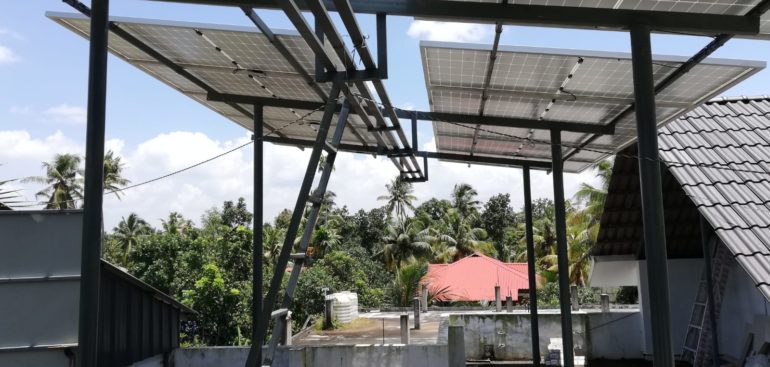

As electricity costs rise in Kerala, many families are looking at rooftop solar as a practical alternative. The central government’s PM Surya Ghar: Muft Bijli Yojana offers eligible residential consumers a subsidy of up to ₹78,000 for installing rooftop solar systems. According to a report published by Kerala Kaumudi on October 15, 2026, the subsidy opportunity highlighted in the report is available until March 31, 2027.
For homeowners planning to install solar panels, this is a good time to understand the available benefits, eligibility requirements, installation costs and financing options before making a decision.
If you are searching for a reliable solar subsidy in Kerala, understanding how the scheme works can help you plan your investment more effectively.
What Is the PM Surya Ghar Solar Subsidy Scheme?
The PM Surya Ghar: Muft Bijli Yojana is a central government initiative designed to encourage households to adopt rooftop solar energy. It provides financial assistance to eligible residential consumers who install qualifying grid-connected rooftop solar systems.
The scheme aims to make solar energy more affordable while helping households reduce their dependence on conventional electricity.
Under the central subsidy structure, eligible households can receive financial assistance based on the installed solar capacity:
- 1 kW solar system: Up to ₹30,000 subsidy
- 2 kW solar system: Up to ₹60,000 subsidy
- 3 kW or larger eligible system: Up to ₹78,000 subsidy
These amounts are subject to the scheme’s applicable rules and eligibility conditions. The maximum subsidy is not a guarantee that the complete installation will be free of cost. Source: Ministry of New and Renewable Energy information.
Who Can Apply for a Solar Subsidy in Kerala?
Before considering rooftop solar, home buyers should assess whether they meet the scheme requirements.
Generally, the central subsidy is intended for eligible residential electricity consumers who qualify for grid-connected rooftop solar system installation through the prescribed process.
Applicants should check the following:
- A valid residential electricity connection is required.
- The rooftop should be suitable for installing solar panels.
- The solar system must meet the applicable technical and scheme requirements.
- Installation and subsidy applications must follow the prescribed portal and vendor procedures.
- The applicant should verify the current subsidy conditions before placing an order.
The final subsidy amount depends on the eligible capacity and applicable scheme rules. Homeowners in Trivandrum and other parts of Kerala should verify their eligibility through the official PM Surya Ghar National Portal.
Why Should You Consider Installing Solar Panels Before March 2027?
The October 2026 Kerala Kaumudi report has identified March 31, 2027, as the deadline for the subsidy opportunity described in the report. Homeowners considering solar installation have this period to check eligibility, compare quotations and understand the application process.
However, the reported deadline does not guarantee that every application made before that date will qualify. Double-check the latest official scheme timeline and available subsidy arrangements prior to making a financial commitment.
Installing a suitable rooftop solar system can result in various benefits.
1. Reduce Your Monthly Electricity Bills
A rooftop solar system generates electricity from sunlight, helping households meet part of their daily energy requirements. Depending on system capacity, household consumption and sunlight availability, solar power can reduce the amount of electricity purchased from the grid.
2. Make Use of Government Financial Assistance
The subsidy can reduce the eligible installation cost, making rooftop solar more accessible to households that would otherwise find the initial investment difficult.
3. Explore Instalment and Loan Options
The Kerala Kaumudi report also mentions instalment-based installation arrangements through participating public-sector banks and associated programme partners.
Financing availability, interest rates, repayment periods and eligibility may vary. Before choosing an EMI option, compare the total repayment amount with the expected electricity bill savings.
4. Generate Renewable Electricity at Home
Solar panels help households use renewable energy and reduce reliance on conventional grid electricity during periods of solar generation.
Is an On-Grid Solar System Suitable for Your Home?
An on-grid solar system is connected to the electricity grid. It can help provide electricity to the home when solar generation is available, with the grid providing electricity when available.
Under applicable arrangements, excess electricity may be exported to the grid. The financial or billing benefit depends on the prevailing electricity regulations and the consumer’s connection arrangement.
For homeowners primarily interested in reducing electricity bills, an on-grid system may be worth considering.
It is also important to understand that a standard on-grid solar system generally shuts down during a grid outage for safety reasons and does not automatically provide backup power during a power cut.
Homeowners requiring backup electricity should discuss their requirements with a qualified solar installer and understand the cost and suitability of a battery-supported or hybrid solar system.
How Much Solar Capacity Does Your Home Need?
Choosing the right capacity is an important step for the homeowner prior to applying for a solar subsidy.
A small household with limited electricity consumption may require a different system from a home that regularly uses air conditioners, water heaters or other high-power appliances.
Consider the following factors before selecting a system:
- Your average monthly electricity consumption
- The amount of sunlight available on your rooftop
- Available roof space and shading
- Your daytime and nighttime electricity usage
- Your future electricity requirements
- Whether you need battery backup
Reviewing recent electricity bills can help a solar professional estimate the appropriate system capacity.
Although the subsidy can reach ₹78,000 for eligible installations, the final installation cost depends on the system size, equipment quality, installation requirements and other applicable charges.
How to Apply for the Rooftop Solar Subsidy
Homeowners should follow the official application and installation process rather than relying only on an installer’s verbal assurances.
Step 1: Register on the Official Portal
Visit the PM Surya Ghar National Portal and review the registration process for residential consumers.
Step 2: Check Your Eligibility
Confirm your electricity connection details, applicable subsidy conditions and the requirements for your proposed solar system.
Step 3: Select an Eligible Vendor
Choose an appropriately registered vendor who can explain the equipment specifications, installation cost, documentation and application process.
Step 4: Complete the Installation and Required Formalities
Follow the portal’s prescribed steps for installation, inspection, metering and commissioning, as applicable.
Step 5: Complete the Subsidy Claim Process
Submit the required details and documents through the official process. Subsidy disbursement depends on satisfying the applicable conditions and completing the required formalities.
Do not assume that the subsidy will be paid immediately or deducted automatically from the initial quotation.
Choose the Right Solar Installation Partner in Trivandrum
Getting a subsidy is only one part of a successful solar installation. The quality of the equipment, system design, installation workmanship and after-sales support also matter.
RV Solutions offers solar-related solutions to customers interested in rooftop solar installations and other energy systems. If you are considering options for your home or business, discuss your electricity consumption, available roof space, budget and long-term requirements prior to choosing the system.
Homeowners seeking the best solar company in Trivandrum should compare quotations, warranty terms, equipment specifications, vendor eligibility and service support rather than making a decision based on the subsidy amount solely.
A properly planned system can help you make better use of solar energy while managing your initial investment.
FAQ
1. How much solar subsidy can I get in Kerala?
Eligible residential consumers can receive up to ₹78,000 under the central rooftop solar subsidy structure for qualifying systems of 3 kW or more, subject to the applicable scheme conditions.
2. What is the deadline for the ₹78,000 solar subsidy?
Kerala Kaumudi reported March 31, 2027, as the deadline for the subsidy opportunity described in its October 2026 article. Check the official PM Surya Ghar portal for the current scheme timeline and application requirements prior to proceeding.
3. Can I install solar panels through monthly instalments?
Instalment or loan options may be available through participating lenders and programme partners. Approval, interest rates, repayment terms and the amount payable upfront will depend on the financing arrangement
4. Can I get the subsidy for a hybrid solar system?
The central subsidy is governed by specific eligibility and technical requirements for qualifying rooftop solar installations. Do not assume that every hybrid configuration or battery component is covered. Confirm the proposed system’s eligibility and the treatment of battery costs before installation.
5. Will installing solar panels eliminate my electricity bill?
Not necessarily. Savings depend on your electricity consumption, solar generation, system capacity and applicable billing arrangements. A suitable system can substantially reduce electricity costs, but a zero bill is not guaranteed.
6. Where can I apply for the solar subsidy?
You can begin by visiting the official PM Surya Ghar National Portal and following its current registration and application instructions.
Conclusion
The Prime Minister’s Surya Ghar Rooftop Solar scheme could help you reduce the cost of installing a solar power system, up to a subsidy of Rs 78,000 for eligible solar systems. The instalments proposed in the October 2026 report for the central government subsidy could also provide some relief to homeowners considering a solar installation.
Before making the commitment to install solar panels on your roof, you should double-check the latest eligibility criteria and payment deadlines, compare the quotes from different contractors and understand the finance options.
If you are planning a rooftop solar installation in Trivandrum, RV Solutions can help you explore suitable solar solutions based on your electricity requirements and budget. A well-planned installation can be a practical step towards reducing your dependence on grid electricity and making better use of renewable energy.